

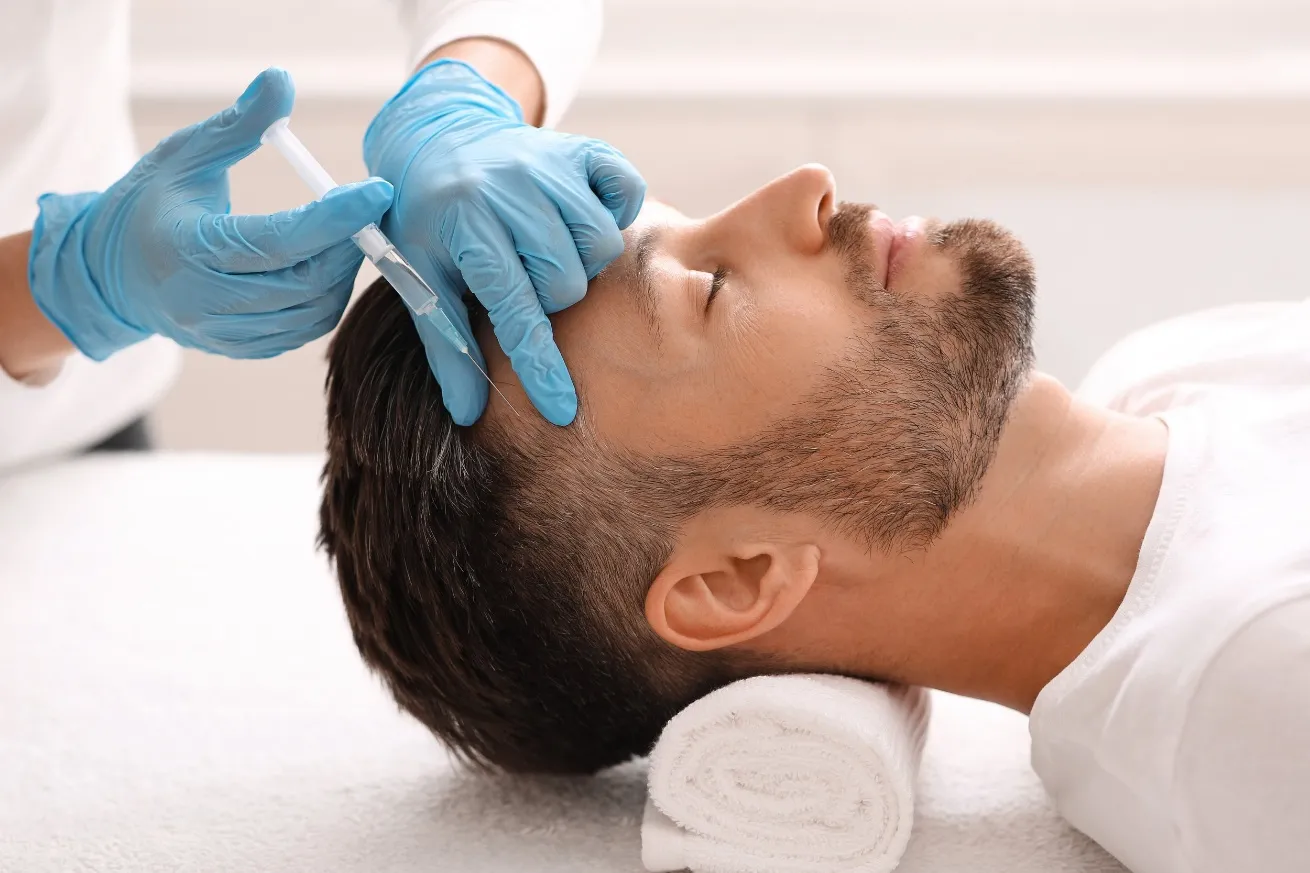
Hair can create opposite concerns for different people. Someone noticing a widening part or thinning hairline may wish for fuller growth, while another person struggles with unwanted hair and constant shaving. Although both situations involve hair follicles, their causes and treatment goals are different. Professional hair loss treatment focuses on addressing thinning and supporting suitable restoration options. Understanding these differences helps people avoid confusing advice, unrealistic expectations, and treatments that were never designed for their particular concerns.
Recognize What Your Hair Needs
Hair concerns deserve individual attention because visible changes do not always reveal their underlying causes. Gradual thinning may involve genetics, hormonal influences, aging, or certain health conditions. Excess facial or body hair can also relate to hormonal changes, although normal growth patterns vary considerably between individuals. Before choosing a cosmetic procedure, consider when the concern began and whether it has changed recently. Sudden shedding, patchy loss, or unexpected hair growth may warrant medical evaluation rather than immediate treatment at an aesthetic clinic.
Explore Options For Thinning Hair
Restoring thinning hair is rarely as simple as applying one product or booking a single appointment. Treatment depends on the cause, the condition of existing follicles, and the individual’s medical history. Platelet-rich plasma and platelet-rich fibrin procedures are among the options offered by some aesthetic practices. These approaches use components obtained from a person’s blood and are being studied for certain forms of thinning. Evidence and results vary, so patients should discuss suitability, limitations, possible discomfort, and alternative medical treatments before proceeding.
Understand How Laser Removal Works
While restoration aims to support existing hair, laser hair removal seeks to reduce unwanted growth. Laser energy targets pigment within the hair, producing heat that damages suitable follicles and limits future production. Because hairs pass through different growth stages, a series of sessions is generally necessary. Treatment effectiveness varies with hair color, skin tone, equipment, and individual characteristics. Laser procedures usually provide long-term reduction rather than a guarantee that every hair will disappear permanently. Occasional maintenance sessions may also be required.
Consider Hormones And Medical History
Hormonal changes can influence both scalp thinning and unwanted facial or body hair. Thyroid disorders, androgen-related conditions, pregnancy, menopause, and certain medications may affect growth patterns. This does not mean every change signals a medical problem, but an unexpected shift deserves attention. A professional assessment should include relevant health information rather than concentrating only on appearance. Depending on the symptoms, a healthcare professional may recommend further evaluation. Understanding contributing factors can prevent repeated cosmetic appointments from overlooking an issue that needs medical care.
Set Expectations Around Treatment Timelines
Hair restoration and reduction follow different timelines, and neither should be judged after just a few days. Scalp hair grows slowly, so meaningful changes may take months to become apparent, if treatment proves effective. Laser sessions are usually scheduled apart to target hairs during suitable growth stages. Temporary redness or irritation may occur following procedures. Ask providers how progress will be assessed and when follow-up appointments may be appropriate. Having realistic expectations makes it easier to judge results without expecting immediate or universal changes.
Prepare For A Useful Consultation
An informative consultation should explore more than photographs of desired results. Describe when your concern began, treatments already attempted, relevant medical conditions, and any medications you take. Ask whether the proposed procedure is appropriate for your skin and hair characteristics. Potential side effects, expected costs, treatment frequency, and the provider’s qualifications should also be discussed. For laser procedures, questions about device suitability and skin protection are important. For restoration, ask about supporting evidence and what happens if the recommended approach proves unsuccessful.
Build Habits That Support Care
Daily habits cannot resolve every follicle-related concern, but they can support comfort and sensible treatment planning. Avoid excessive traction from tight hairstyles when experiencing scalp thinning, and be cautious with harsh chemical processing. Those receiving laser procedures should follow instructions concerning sun exposure, shaving, and products used around appointments. Gentle skincare and consistent communication with the provider may help manage temporary sensitivity. Most importantly, avoid assuming that supplements, expensive shampoos, or home remedies can replace a proper assessment when noticeable changes persist.
Conclusion
Hair-related concerns can affect confidence, but appearance alone rarely tells the complete story. Effective decisions begin by identifying whether the priority is investigating thinning, reducing unwanted growth, or addressing an underlying health concern. SanaVitta Wellness Center & MedSpa offers aesthetic services in Apple Valley, with information about its available procedures at sanavittamedspa.com. A consultation can help clarify which options merit consideration and which require additional medical guidance. Progress is best measured through informed choices and realistic goals, not promises of effortless transformation.